




How to Collect Contacts at Events Without Carrying Paper Forms
A paper form slows down a valuable conversation. A digital profile keeps the exchange moving.
At conferences, exhibitions, and networking events, you need a simple way to share details. You also need a clear way for interested visitors to share theirs.
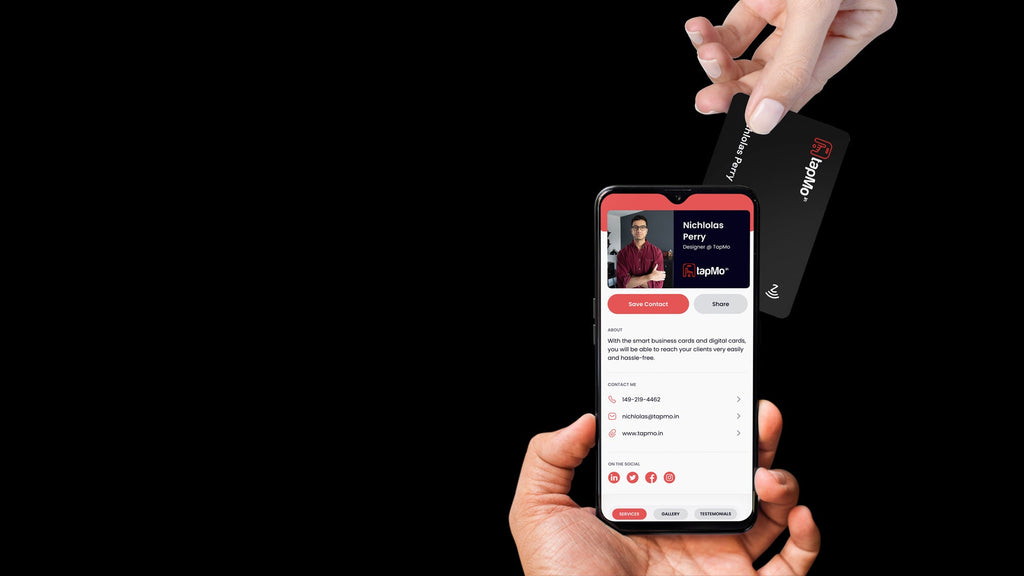
A digital business card for events can support both actions. You share your profile through an NFC card or QR code. The visitor can save your contact or submit their details through a contact form.
However, the visitor must take action. A tap or scan alone does not guarantee lead capture.
Why do paper forms create friction at events?
Paper forms look simple. In practice, they create several problems.
Your team may need to:
- Find a clipboard during a busy conversation.
- Explain which fields the visitor should complete.
- Read unclear handwriting later.
- Enter details into a spreadsheet manually.
- Match each form with the correct sales representative.
- Follow up without useful conversation notes.
Visitors also face friction. They may not want to stand at a counter. They may skip fields. They may enter incomplete information.
Paper forms also separate the conversation from the next step. Your team talks first, collects details later, and follows up much later.
That gap creates avoidable mistakes.
A paperless workflow brings sharing, submission, and organisation closer together.

What should your paperless event workflow include?
A practical event contact system needs more than a QR code.
It should give visitors a clear reason to connect. It should also reduce the number of actions they need to take.
Your workflow can include:
- A short conversation
- A clear reason to continue
- An NFC card or QR code
- A mobile-friendly digital profile
- A contact-saving or exchange action
- A short lead form
- A defined follow-up process
Each step supports the next one.
Your digital business card shares your identity. Your contact action gives visitors a way to save or exchange details. Your lead form collects information only when the visitor submits it.
This distinction matters.
A visitor may open your profile without sharing their details. Treat that activity as interest, not as a confirmed lead.
How can you use a digital profile at an event?
Your digital profile should answer three questions quickly:
- Who are you?
- What do you offer?
- What should the visitor do next?
Keep your profile focused on the event conversation. Add your name, role, company, services, website, and relevant social links.
You can also highlight a portfolio, service, product page, or meeting link.
Your profile should not feel like a crowded online brochure. Visitors often open it while standing, walking, or speaking with someone else.
Use:
- A clear profile photo.
- A short professional description.
- One primary contact action.
- Only relevant links.
- A visible way to save or exchange contact details.
- A short lead form for interested visitors.
TapMo profiles support contact details, social links, featured work, services, and lead forms. You can learn how to customise your TapMo digital profile before your next event.
How does contact exchange work without paper?
The best contact exchange starts with a conversation.
Do not open with a form. Start by understanding the visitor’s needs.
Then use a simple prompt:
“Would you like to save my details and share yours for a follow-up?”
The visitor can then:
- Tap your NFC card or scan your QR code.
- Open your digital profile in their browser.
- Select Save Contact or Exchange Contact.
- Complete the available contact fields.
- Submit their information willingly.
Your digital profile can help visitors save your details. Your lead form can help them send their information to you.
But the visitor must complete the action. You should never treat a profile view as a submitted lead.

How should you design the event lead form?
Short forms usually create less resistance.
Ask only for details that support your next conversation. You can start with:
- Full name.
- Work email.
- Company.
- Phone number, if relevant.
- Area of interest.
- A short message.
You do not need every detail immediately.
For example, a conference visitor may share their name, email, and interest area. You can ask deeper questions during the follow-up call.
Make the form clear about its purpose. Tell visitors what they will receive after submitting it.
You could offer:
- A product brochure.
- A service overview.
- A meeting invitation.
- A presentation deck.
- A project consultation.
- A relevant portfolio link.
Avoid vague wording such as “Submit your details.” Explain the next step instead.
Also, ask for permission before sending marketing messages. Keep consent clear and voluntary.
Where should you place your QR code?
Your QR code should appear where visitors naturally pause.
Consider placing it on:
- Booth counters.
- Event banners.
- Presentation slides.
- Product displays.
- Name badges.
- Printed handouts.
- Meeting tables.
- Follow-up messages after the event.
Add a short instruction below the code.
For example:
Scan to save our details and share yours.
You can create and share a TapMo profile through a link or QR code. The TapMo digital business card setup guide explains the basic process.
Keep the QR code large enough to scan easily. Test it from different distances before the event.
Also test it on different smartphones. Check the complete journey, not only the code.
Test these actions:
- Scan the QR code.
- Open the profile.
- Select the contact action.
- Complete the form.
- Submit the form.
- Confirm that the inquiry appears in your account.
This test helps you find problems before visitors do.
How can NFC cards support event conversations?
An NFC card gives your team another sharing option.
Instead of asking visitors to type a link, you can invite them to tap. Their phone can open your digital profile through the card.
NFC works well during personal conversations. QR codes work well for shared spaces. Use both when possible.
Your event team can carry NFC cards while your booth displays a QR code. Visitors can choose the method they prefer.
TapMo lets you connect a physical NFC card with a digital profile. You can update the profile later without replacing the physical card.
That helps when your role, services, links, or contact details change.
How should you organise contacts after collection?
Paperless collection only helps when your team manages the next step.
Review submitted contacts through your lead management workflow. Add context while the conversation remains fresh.
Record:
- The event name.
- The date of the conversation.
- The visitor’s main interest.
- The representative who spoke with them.
- The promised next action.
- The suggested follow-up date.
Do not assume every submission has equal urgency.
You can group contacts into simple categories:
- High priority: The visitor requested a meeting or proposal.
- Medium priority: The visitor showed interest but needs more information.
- Low priority: The visitor requested general resources.
The TapMo dashboard includes a Leads section for reviewing inquiries. You can filter records, update lead status, and export data. Read the TapMo dashboard guide for the broader workflow.

What makes event follow-up more effective?
Follow up while the conversation still feels familiar.
A useful follow-up message should mention the event. It should also mention something specific from your discussion.
For example:
It was good speaking with you at the business conference. You mentioned challenges with team contact sharing. I’m sending the overview we discussed.
Keep the message relevant. Avoid sending the same generic paragraph to every contact.
A practical follow-up rhythm could look like this:
- Same day: Review submissions and add notes.
- Within 24 hours: Send promised resources.
- Within two days: Contact high-priority prospects.
- Within one week: Follow up with medium-priority contacts.
- Later: Send useful information only when it fits the conversation.
Do not contact people who never submitted their details. A profile view or card tap does not automatically give you permission to message them.
Respect the visitor’s choice. Good event networking builds trust before it seeks a sale.
How can you prepare your team before the event?
Your team needs one consistent process.
Before the event, decide:
- Which profile each team member will share.
- Which contact action visitors should use.
- Which information the form should request.
- Who owns each follow-up.
- How your team will record conversation notes.
- When your team will review submitted contacts.
Train every representative to explain the process in one sentence.
For example:
“Tap my card to save my details, then use Exchange Contact if you’d like me to follow up.”
Keep the explanation simple. Visitors should understand the value immediately.
You can also prepare a backup link. Some visitors may prefer to open a URL instead of tapping or scanning.
A practical paperless event checklist
Use this checklist before your next event:
- Build an event-focused digital profile.
- Keep one primary action visible.
- Add only relevant links.
- Test your lead form.
- Connect your NFC card to the correct profile.
- Create and test your QR code.
- Print QR codes for key event locations.
- Train your team on the exchange process.
- Prepare a short consent statement.
- Record notes after important conversations.
- Review submitted leads the same day.
- Follow up with context and permission.
Paperless contact collection works best when technology supports a human conversation.
A digital business card can make sharing easier. A short form can reduce friction. A clear follow-up process can help you turn genuine interest into a useful next conversation.
No clipboards. No unreadable handwriting. No unnecessary delay.
It’s simple, focused, and professionally frictionless.
Sources
- How to Create a Digital Business Card with TapMo
- How to Create and Customize Your TapMo Digital Profile
- TapMo Dashboard Explained
- TapMo Digital Cards
— Metadata for Shopify (copy these into the Shopify fields) —
SEO Meta Title: Collect Event Contacts Without Paper Forms
SEO Meta Description: Clipboards and handwriting slow events down. Learn how to collect event contacts with a digital business card, NFC sharing, QR codes and a short lead form.
Shopify Excerpt: Paper forms separate the conversation from the next step. This article explains how to collect contacts at events without paper, using an NFC card, QR codes and a short lead form. Includes booth placement tips and a consent-first follow-up rhythm.


